What is the Benazir Nashonuma Program Dashboard?
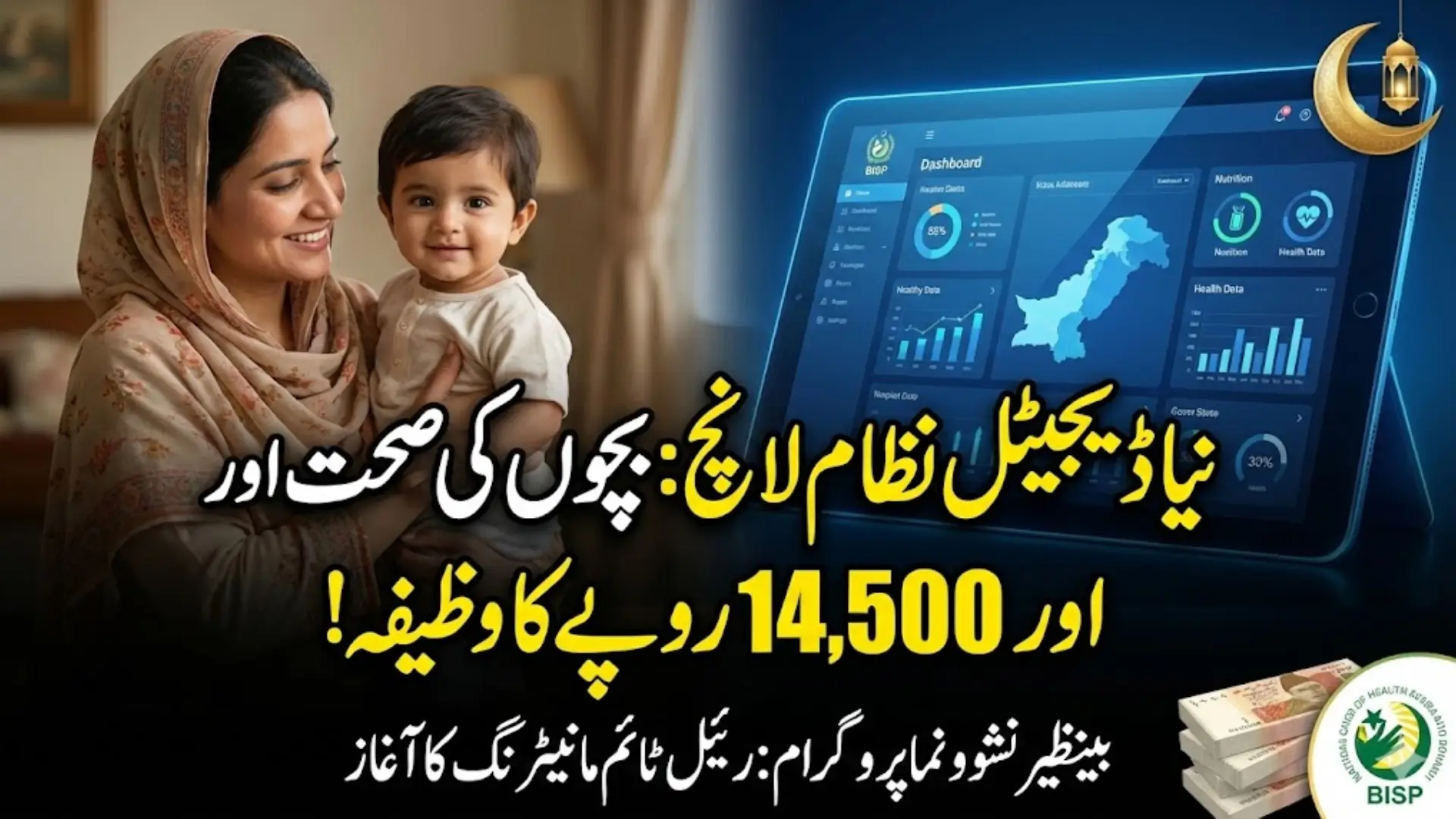
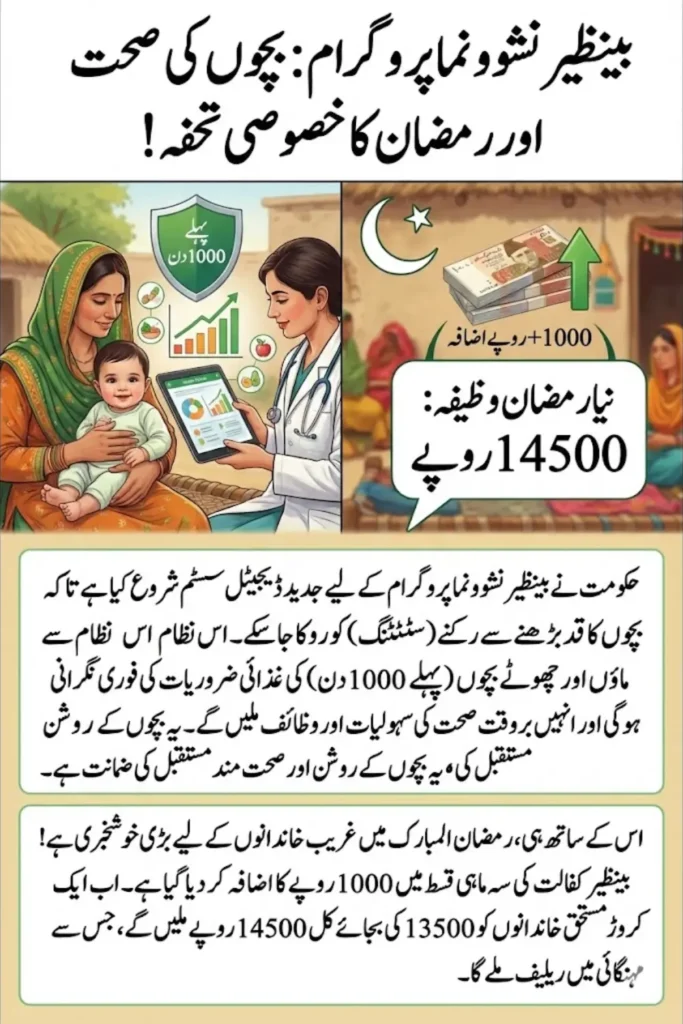
The Benazir Nashonuma Program Dashboard is a real-time digital monitoring platform developed under the Benazir Income Support Programme (BISP). It focuses on tracking the performance of the Benazir Nashonuma Programme, which aims to prevent stunting and improve nutrition among children, particularly during the first 1,000 days of life. This period is considered critical for a child’s physical and mental development.
Through this system, policymakers and health officials can view updated information about nutrition interventions across provinces and districts. The dashboard ensures that services are delivered effectively and that gaps in coverage are quickly identified and addressed.
- Provides real-time insights into program performance
- Tracks child growth and nutrition interventions
- Enhances transparency at federal and provincial levels
- Supports evidence-based decisions in health and social protection
How the Dashboard Strengthens Policy Decisions
The Benazir Nashonuma Program Dashboard plays an important role in strengthening policy decisions at both federal and provincial levels. By offering updated data, it allows government officials to monitor progress and adjust strategies when needed. This approach ensures that public resources are used efficiently and that vulnerable families receive timely support.
Data-driven decision-making helps improve planning and coordination between different departments. When accurate information is available, policymakers can design better interventions and respond quickly to nutrition-related challenges in specific regions.

- Improves oversight and accountability mechanisms
- Enables faster response to malnutrition cases
- Helps identify districts with higher nutrition risks
- Promotes coordination between health and social welfare departments
International Technical Support
The success of the Benazir Nashonuma Program Dashboard is supported by strong international partnerships. The World Food Programme, UNICEF, and the World Health Organization have provided technical guidance to ensure the system meets global standards. Their collaboration reflects a shared commitment to improving child nutrition in Pakistan.
These organizations contribute expertise in nutrition monitoring, health systems, and data analysis. Their involvement ensures that the dashboard not only tracks numbers but also measures meaningful impact on children’s health and development.

- Technical assistance in nutrition monitoring systems
- Support in improving data quality and reporting
- Guidance on global best practices for stunting prevention
- Collaboration to strengthen long-term program sustainability
Program Achievements So Far
The Benazir Nashonuma Programme has already made significant progress in addressing malnutrition across Pakistan. Since its launch, the program has reached over four million women and children, providing essential nutrition support during the most critical stage of early childhood. Special attention has been given to girls, who are often at higher risk of nutritional deficiencies.
By focusing on the first 1,000 days of life, the program aims to reduce long-term health risks and improve overall development outcomes. The introduction of the digital dashboard further strengthens these achievements by ensuring that progress is continuously monitored and improved.
- Over 4 million women and children supported
- Focus on preventing stunting and growth delays
- Improved access to nutrition services in underserved areas
- Strong monitoring framework through digital tools
The following table highlights key program achievements:
| Program Area | Achievement |
|---|---|
| Coverage | 4+ million women and children reached |
| Focus Group | Pregnant women, lactating mothers, young children |
| Core Objective | Prevention of stunting and malnutrition |
| Monitoring Tool | Real-time digital dashboard |
Financial Relief During Ramadan
In addition to launching the Benazir Nashonuma Program Dashboard, BISP has announced increased financial support for beneficiaries during Ramadan. This step provides relief to 10 million families across Pakistan who rely on social assistance for essential needs. The enhanced payments aim to help families manage rising expenses during the holy month.
The Benazir Kafalat quarterly stipend has been increased from Rs. 13,500 to Rs. 14,500, reflecting a Rs. 1,000 rise. The revised amount will be disbursed during Ramadan, offering timely financial support to vulnerable households.
- Benazir Kafalat stipend increased by Rs. 1,000
- New quarterly amount set at Rs. 14,500
- 10 million families to benefit nationwide
- Enhanced payments released during Ramadan
The table below explains the stipend revision clearly:
| Program Name | Previous Stipend | New Stipend | Beneficiaries |
|---|---|---|---|
| Benazir Kafalat | Rs. 13,500 | Rs. 14,500 | 10 million families |
| Benazir Nashonuma | Variable support | Increased assistance | 4+ million women and children |
Final Thoughts
The launch of the Benazir Nashonuma Program Dashboard marks a new chapter in Pakistan’s efforts to improve child nutrition and strengthen social protection systems. By integrating technology with welfare programs, BISP has created a transparent and efficient system for monitoring nutrition services. This digital transformation ensures that policies are based on real evidence rather than estimates.
Alongside financial relief measures such as the Ramadan stipend increase, the dashboard demonstrates BISP’s commitment to supporting vulnerable communities. With continued collaboration between government institutions and international partners, the initiative has the potential to reduce malnutrition rates and secure a healthier future for millions of children in Pakistan.
FAQs
What is the Benazir Nashonuma Program?
It is a nutrition-focused initiative under BISP that aims to prevent stunting and improve child growth during the first 1,000 days of life.
How does the Benazir Nashonuma Program Dashboard work?
It provides real-time data on nutrition interventions, helping officials monitor performance and respond quickly to gaps.





Who benefits from the Ramadan stipend increase?
Around 10 million families under BISP programs receive the increased financial support during Ramadan.
Which organizations provided technical support for the dashboard?
The World Food Programme, UNICEF, and the World Health Organization supported the initiative with technical expertise.